








Transitioning from Manual to Automated Weather Data Collection
by Doug Analla
by Doug Analla
Accurate weather data underpins farming, water management, research, and emergency response. As monitoring needs expand, many organizations are transitioning from manual to automated weather data collection, moving from clipboards and scheduled readings to continuous, connected sensing. This guide outlines how to shift from manual methods to an automated weather station, what to expect at each stage, and how to maximize data quality and value once your system is online. Davis Instruments has helped thousands of users modernize their networks, making the transition smoother and more reliable.
Manual weather data collection depends on trained observers taking readings at set intervals and recording them in notebooks or spreadsheets. Standard procedures help ensure consistency over time.
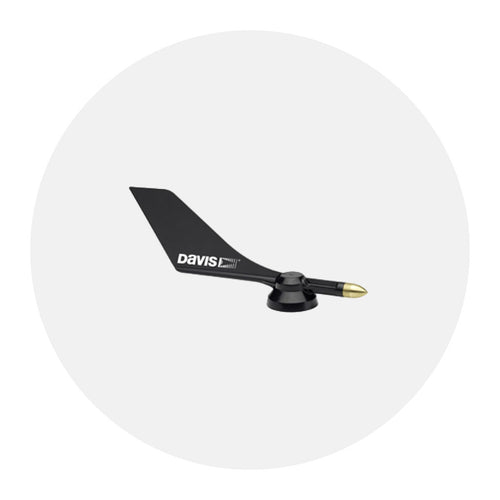
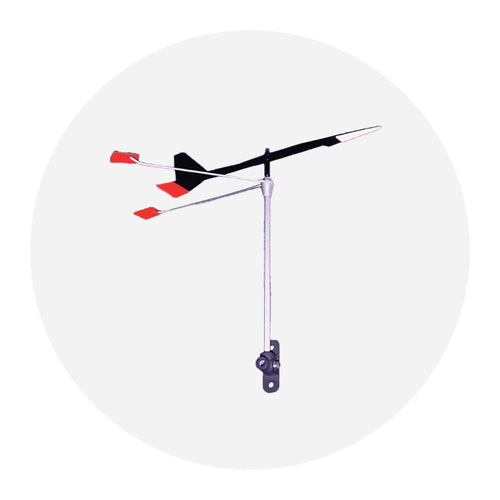
Common instruments include liquid-in-glass or max/min thermometers housed in a ventilated instrument shelter, a mercury or aneroid barometer for pressure, an 8-inch standard rain gauge measured manually, a cup or propeller anemometer for spot wind checks, a wind vane for direction, and a sling psychrometer for relative humidity. Some networks also use sunshine recorders and evaporation pans.
While proven and valuable, manual methods have limitations. Observations are confined to sampling times, which can miss short-lived events and extremes. Human error can occur through reading, transcription, or rounding. Data gaps appear when staff are unavailable or access is restricted by weather or safety. Maintaining consistent siting and calibration is challenging without frequent checks, and near real-time reporting requires extra effort. These realities are driving organisations toward transitioning from manual to automated weather data collection to increase continuity and responsiveness.
An automated weather station (AWS) combines sensors, a data logger, power, and communications to measure, record, and transmit meteorological data without routine human intervention. These platforms run continuously and automatically apply time stamps, quality checks, and data storage.
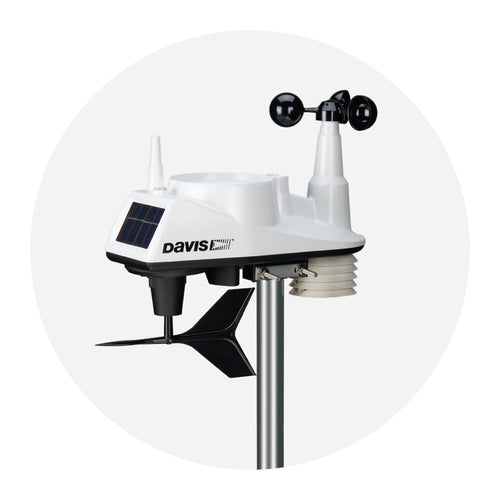
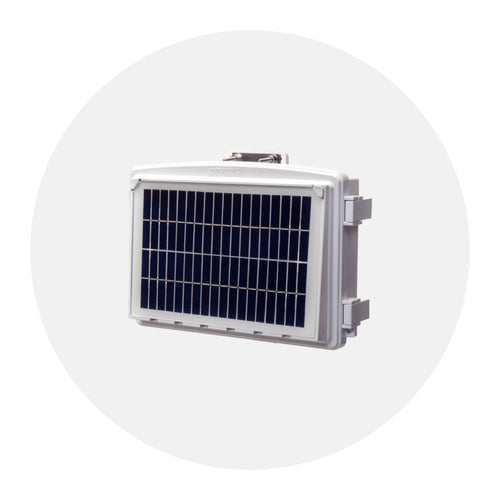
Typical components include solid-state or aspirated temperature and humidity sensors in a radiation shield, a tipping-bucket or weighing rain gauge, ultrasonic or cup-and-vane wind sensors mounted at standard heights, a barometric pressure sensor, and a solar radiation sensor (pyranometer). A data logger manages sampling and storage, with power from AC mains, battery, or solar panels. Connectivity options include cellular, Ethernet, Wi-Fi, short-range radio, or satellite. Many systems offer secure cloud dashboards and APIs for remote access. An automatic weather station configured this way delivers dependable, continuous measurement with minimal manual touch.
Compared to manual methods, an automated weather station delivers finer temporal resolution (such as one-minute or five-minute intervals), immediate access to current conditions, and automated alerts for thresholds and maintenance issues. An automatic weather station reduces transcription errors, supports automated quality control, and streamlines integration with modeling and decision tools. Davis Instruments’ automated weather platforms are engineered for accuracy and durability, with field-proven sensors and robust connectivity.
Modern automation improves accuracy, continuity, and the usefulness of weather data. For organizations transitioning from manual to automated weather data collection, these gains are immediate and measurable.
A structured approach protects data continuity and aligns the new system with operational goals. Davis Instruments supports teams at each step, simplifying planning, installation, and validation when transitioning from manual to automated weather data collection.
Training is essential. Provide hands-on instruction for installation safety, sensor handling, logger configuration, dashboard use, and data export. Train staff to recognize sensor drift, clogging, or icing, and to perform preventive maintenance. Clear SOPs and periodic refresher sessions reduce errors and ensure continuity through personnel changes. Davis Instruments offers onboarding resources and support to help teams operate an automated weather station with confidence.
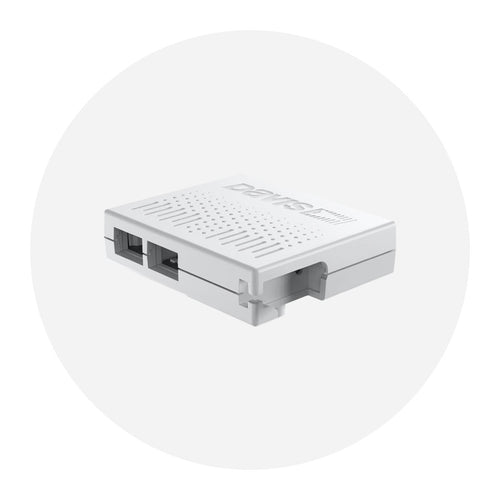
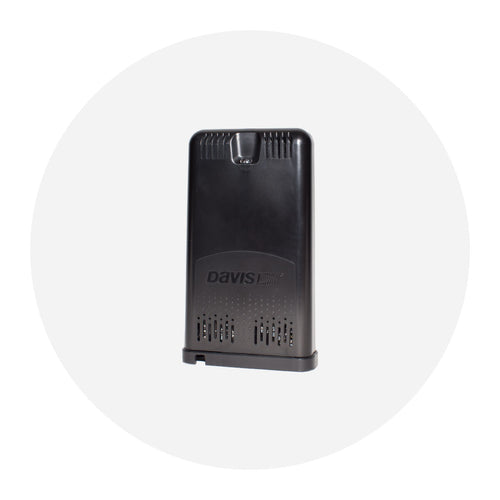
Data loggers sit at the heart of an AWS. They time-stamp measurements, apply scaling and unit conversions, buffer records locally, and transmit data to cloud or on-premises systems. Many include diagnostics that flag low battery, sensor faults, or communication failures.
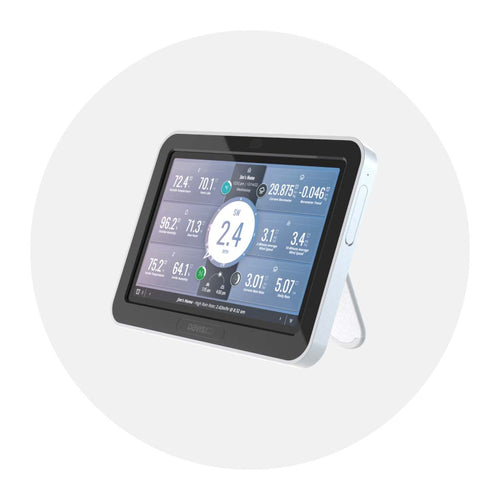
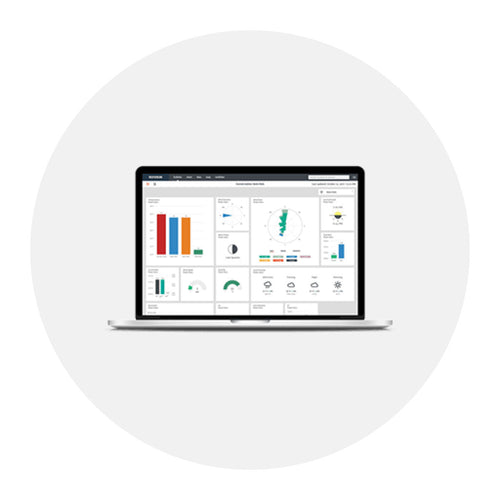
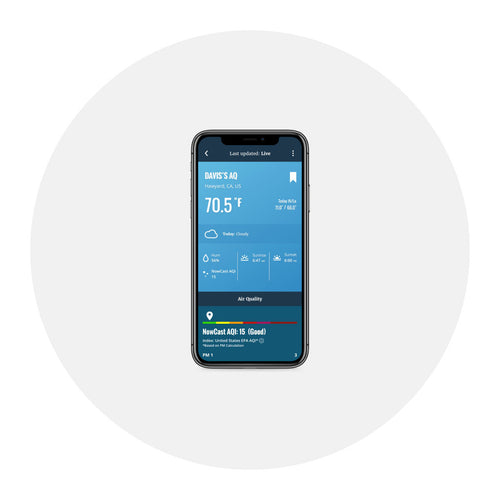
On the software side, secure dashboards support visualization, device management, and alerting. Users can set thresholds for wind, heat index, or precipitation rates and receive notifications by email, SMS, or app. APIs and data exports enable integration with GIS platforms, modeling tools, and third-party applications.
Effective data management starts with clear retention and backup policies. Preserve raw high-frequency data, maintain processed datasets with quality control flags, and document any transformations or calibrations. Regularly review data completeness, sensor health, and time synchronization.
Interpreting data blends automation with expert oversight. Use automated quality rules to catch spikes, stuck values, and drift. Compare with nearby reference stations for context. Aggregate to daily, weekly, and monthly summaries for climate tracking, while keeping high-resolution records for event analysis. An automatic weather station configured for continuous sampling makes these analyses more robust and timely.
Thoughtful integration avoids rework. Map fields to existing databases, schedule exports to data lakes or analytics systems, and use webhooks or MQTT for near real-time feeds. For organizations with legacy spreadsheets, configure scheduled CSV reports to maintain workflows while building more robust pipelines. Davis Instruments provides cloud services and APIs that simplify data delivery from an automated weather station to your preferred tools.
Weather monitoring is moving toward denser networks, smarter analytics, and lower maintenance. Solid-state sensors continue to reduce moving parts and calibration drift. Low-power communications and edge computing support longer deployments at remote sites with limited power.
Artificial intelligence and machine learning enhance value by detecting anomalies, filling gaps with statistically sound methods, and producing hyperlocal forecasts when combined with numerical models and radar or satellite data. Predictive maintenance can alert you when a rain gauge likely needs cleaning or when a wind sensor shows fouling.
As climate change drives more extremes—heat waves, intense rainfall, and shifting wind patterns—continuous data becomes indispensable. High-resolution observations improve warning lead times, inform infrastructure design, and support adaptation planning. Automated networks with robust power and communications are better positioned to operate through severe events and deliver the data decision-makers need. Davis Instruments continues to innovate in automated weather, helping customers stay ahead of evolving risks.
Davis Instruments is a trusted leader in weather monitoring, delivering durable hardware, dependable connectivity, and intuitive software that make transitioning from manual to automated weather data collection straightforward. Our automated weather solutions are designed for accuracy, ease of deployment, and long-term reliability, whether you need a single site or a regional network.
From agriculture and utilities to research and education, organizations rely on Davis Instruments when adopting an automated weather station or upgrading an existing network. Our team helps translate data into decisions that protect people, assets, and operations.
For most applications, one to three months captures a range of conditions and reveals systematic differences. Longer overlap may be warranted in highly seasonal climates or for research-grade transitions when transitioning from manual to automated weather data collection.
Yes. Plan periodic inspections to clean radiation shields and rain gauges, check level and debris, verify solar panels and batteries, and perform sensor checks or recalibration per manufacturer recommendations. Many issues can be anticipated through remote diagnostics on an automated weather station.
Consider long-range radio to a gateway with Internet, satellite modems for remote locations, or data loggers that cache records for manual retrieval. Conduct site surveys and signal tests before installation to select the best option for your automatic weather station.
Most modern AWS platforms offer APIs and common export formats (CSV, JSON) and can push data to cloud storage or on-premises databases. Map fields and units carefully and document conversions to ensure consistency with your automated weather workflows.
Automation reduces routine tasks and errors but does not replace domain knowledge. Staff remain essential to interpret results, validate unusual events, perform maintenance, and connect insights to operational decisions.