









Tracking Humidity Levels: Essential Equipment at Home
by Doug Analla
by Doug Analla
Managing indoor humidity is a straightforward way to improve comfort, protect your home, and support respiratory health. With reliable tools and a grasp of how moisture behaves indoors, you can avoid problems such as dry skin and static in winter and mold or musty odors in summer. This guide covers why tracking humidity matters, the types of meters available, where to place them, how to interpret readings, and how to maintain healthy levels all year. It is built around the concept of tracking humidity levels: essential equipment at home, so you can choose the best home humidity meter for each room and use it effectively.
Whether you live in a coastal climate with muggy summers or a high-altitude region with dry winters, keeping tabs on indoor moisture helps you decide when to run humidifiers or dehumidifiers, increase ventilation, or improve insulation and air sealing. Start with a dependable indoor humidity meter, follow best practices for placement, and use data to fine-tune conditions room by room. When in doubt, look for the best humidity meter features that fit your needs, and choose an indoor humidity meter that can grow with your setup.
Humidity is the amount of water vapor in the air. Indoors, it affects how warm or cool your space feels, the quality of your sleep, and the condition of your home’s materials. Air that is too dry can cause irritated sinuses, chapped lips, itchy skin, and static electricity. Excess moisture encourages dust mites, mold, and mildew, which can worsen allergies and asthma and lead to damage in walls, woodwork, and stored items.
Relative humidity (RH) is the most useful measure for home environments. It expresses the amount of moisture in the air as a percentage of the maximum the air can hold at a given temperature. Because warm air can hold more moisture than cool air, the same amount of water vapor may feel very different in July than in January. Tracking RH helps you understand how indoor air will affect comfort, health, and the materials in your home. For tracking humidity levels: essential equipment at home includes an accurate indoor humidity meter to reflect these seasonal differences.
Monitoring humidity allows you to act before small issues turn into big problems. At low RH, adding moisture protects comfort and wood surfaces. At high RH, reducing moisture deters microbial growth and preserves indoor air quality. A general target range for living spaces is about 30% to 50% RH, adjusted seasonally. Keeping humidity in this range can reduce airborne irritants and help your heating and cooling systems run more efficiently. Selecting the best home humidity meter gives you confidence that the numbers you see reflect reality, so you can calibrate your approach with precision.
Everyday activities influence indoor humidity. Cooking, boiling water, showering, and drying laundry indoors add moisture. Bathrooms and kitchens tend to have higher loads if ventilation is inadequate. Basements and crawl spaces often contribute humidity through soil moisture and foundation leakage. Houseplants and aquariums raise moisture levels, and occupants add water vapor by breathing and perspiring. In contrast, winter heating tends to dry the air, especially in tight, well-sealed homes without humidification.
Effective humidity control starts with understanding how moisture enters, moves through, and leaves your home. The next step is tracking with reliable instruments. With accurate measurements, you can target solutions—like adding exhaust ventilation, running a dehumidifier where needed, or using a humidifier during heating season—so your actions are both effective and energy conscious. This is where a trustworthy brand like Davis Instruments makes a difference, offering the best humidity meter options for homeowners who want dependable, long-term performance.
A humidity meter, or hygrometer, gives a direct reading of RH so you can respond promptly. Without data, you’re left guessing based on how the air feels. A hygrometer confirms whether your living room sits at a comfortable 40% or a mold-prone 60%, whether a nursery is too dry for restful sleep, or whether a basement is creeping into a risky zone. Regular monitoring helps you maintain stable conditions that balance comfort, health, and home protection. If you are looking for an indoor humidity meter that is easy to read and accurate, focus on models that are consistently rated as the best home humidity meter by users who value accuracy, durability, and straightforward operation.
Measuring humidity offers tangible benefits. It supports better sleep and respiratory comfort, and it reduces annoying static when the air is dry. Keeping RH within a healthy range discourages dust mites and mold, which expand as humidity rises. Furniture, musical instruments, hardwood floors, and artwork all perform better and last longer when RH stays within recommended limits. Controlling humidity also supports energy efficiency: when humidity is elevated, air can feel warmer and clammy; when too low, it can feel cooler and drafty. Balanced humidity reduces overcooling in summer and overheating in winter.
Moisture affects building materials and indoor environments in predictable ways. Higher RH can lead to condensation on windows and other cool surfaces, moisture absorption in drywall, and persistent dampness that fosters microbial growth. Mold typically establishes when RH stays above roughly 60% for extended periods and when surfaces remain damp. Dust mites become more active as humidity rises above about 50%. At very low RH, nasal passages dry out, wood shrinks and cracks, adhesives can fail, and static shocks become common.
Watch for signs that indicate the need for humidity control. These include condensation on windows or pipes, musty odors, visible mold or mildew, cupping or gaps in wood floors, swollen or warped doors and cabinets, increased allergy or asthma symptoms, frequent static shocks, and dry or irritated skin. A hygrometer can verify the cause and help you track the impact of solutions like ventilation upgrades, moisture barriers, dehumidification, or humidification. The best humidity meter will also offer features such as min/max tracking and logging that make it easier to correlate readings with real-world events.
Because humidity varies by room and time of day, occasional checks may miss important patterns. A dependable meter with data logging enables you to observe daily cycles—morning spikes after showers, evening increases from cooking, or persistent basement humidity after rain. With these insights, you can schedule ventilation, adjust appliance run times, and respond to seasonal changes with precision instead of guesswork. If you are building a whole-home strategy, consider a kit approach: a central smart indoor humidity meter in a problem zone and additional stand-alone sensors in living areas to give you a complete picture.
Humidity meters range from simple analog dials to advanced connected sensors that integrate with smart home systems. The best choice depends on how much detail you want, the level of accuracy you need, and whether you plan to automate responses, such as activating a dehumidifier when RH exceeds a set point. When comparing products, look for characteristics that define the best home humidity meter for your use case: accuracy, stability over time, calibration capability, and clear displays.
Digital models are popular because they provide clear numerical readings and often include temperature. Many offer min/max memory, trend indicators, and calibration adjustments. Most use capacitive or resistive sensors that change electrical properties with moisture. Digital devices are quick to respond, generally accurate, and easy to read from across a room. Some add onboard data logging so you can review daily, weekly, or monthly patterns on-screen or through an app. A well-designed indoor humidity meter in this category will also offer user-friendly calibration steps, which helps maintain confidence in measurements over time.
Analog units rely on mechanical elements, often hair or synthetic materials that expand and contract with humidity, moving a needle on a dial. They don’t require batteries and can be visually appealing, but they tend to drift over time and usually provide less precise readings. For a simple, rough check in a single room, an analog meter can work. For better accuracy and ease of interpretation, most homeowners prefer digital units with calibration capability.
Connected sensors add features such as remote monitoring via Wi‑Fi, alerts for high or low RH thresholds, and integration with thermostats, humidifiers, dehumidifiers, or ventilation fans. Remote access is especially helpful for basements, crawl spaces, second homes, and vacation properties where early warnings can prevent damage. Smart sensors with logging help diagnose persistent issues, such as recurring moisture after storms or a humidifier running too aggressively at night. If automation is your goal, the best humidity meter for your ecosystem will be one that communicates reliably with your HVAC controls and supports firmware updates for long-term stability.
For many homes, a combined strategy works best: place one primary smart sensor in the most critical area—such as a basement or nursery—and use stand-alone digital hygrometers in living spaces, bedrooms, and the kitchen. This approach provides comprehensive coverage and historical insight without overcomplicating your setup. It aligns with the idea of tracking humidity levels: essential equipment at home, where a mix of the best home humidity meter types allows right-sized monitoring across different environments.
Accurate readings depend on proper setup, smart placement, and informed interpretation. Start with fresh batteries for digital units, then allow the meter to acclimate to its location for at least 30 minutes before taking initial readings. If your device allows calibration, follow the manufacturer’s instructions or perform a salt test to verify accuracy. A common method uses a small dish of table salt moistened with a few drops of water to form a slurry; seal the hygrometer and dish in a bag or airtight container at room temperature for 8 to 12 hours. The air inside should stabilize around 75% RH, which you can use to check readings and adjust a device that supports calibration.
Placement matters. Keep meters away from microclimates that produce skewed readings. Avoid direct sunlight, heat sources like radiators and supply vents, cold exterior walls, and drafts near doors and windows. Do not mount meters directly above humidifiers, dehumidifiers, stovetops, or showers. Instead, place them at breathing height—about 3 to 6 feet above the floor—where you spend time in that room.
If different areas of your home have varying moisture loads, use multiple devices or a multi-sensor system. At minimum, consider one in a primary living area, one in a main bedroom or nursery, one in the basement or crawl space, and one in a bathroom or kitchen with persistent humidity issues. Logging in these rooms helps you verify that ventilation strategies return RH to target levels after spikes. Investing in the best humidity meter you can reasonably afford for key zones increases the usefulness of the data you collect.
Interpreting readings is as important as collecting them. For most homes, aim for 30% to 50% RH. During the heating season, 30% to 40% helps reduce window condensation and static. In the cooling season, 40% to 50% feels comfortable and helps inhibit mold growth. If someone in the home has allergies or asthma, keeping RH near 40% can reduce dust mite activity while maintaining comfort. For specialized spaces—such as a music room or wine storage—follow the recommended narrower band and use meters with higher accuracy and logging.
Watch daily patterns to spot concerns. Short spikes during cooking or showers are normal if RH returns to target within about an hour with proper ventilation. Prolonged readings above 60% indicate moisture accumulation and call for action—run a dehumidifier, increase ventilation, or investigate leaks. Persistent readings below 30% in winter suggest adding humidification or sealing air leaks to prevent over-drying. If your device shows erratic swings, check placement for drafts, confirm batteries are fresh, and compare with a second device to rule out sensor issues. Comparing rooms also reveals trouble zones—if the basement holds at 60% while upstairs is 45%, targeted dehumidification in the basement is warranted.
Review logged data weekly if available. Trend lines show whether your adjustments are working. If RH rises during rain, check exterior drainage, downspouts, and foundation sealing. If RH remains low in cold snaps, incrementally raise humidifier set points while monitoring for window condensation. A data-driven approach helps you maintain healthy humidity without wasting energy. The right indoor humidity meter can make these insights intuitive to act on, especially when paired with clear alerts and dependable logs.
Ideal humidity varies by season and space, but simple guidelines help keep your home in a healthy range. Living areas and bedrooms typically feel comfortable between 30% and 50% RH. Nurseries often do well around 40%, balancing comfort and respiratory health while minimizing window condensation. Bathrooms and kitchens will spike during use; the priority is allowing RH to return to the target range within an hour. Basements require tighter control—keep them near 40% to 50% to discourage mold without over-drying building materials.
Seasonal weather has a strong impact on indoor RH. In winter, outdoor air holds less moisture. When that air infiltrates and is warmed indoors, RH drops unless you add moisture. Aim for 30% to 40% to limit window condensation while protecting comfort and woodwork. In spring and summer, outdoor air often carries more moisture, and indoor RH can climb, especially in homes without air conditioning or in areas with high dew points. While air conditioning removes moisture, it may not keep up during persistent humidity. Supplemental dehumidification helps maintain targets without excessive cooling.
Adjust targets based on real-world feedback. If you see winter condensation on windows at 40% RH, reduce your target to about 35% and look for air leaks or poor insulation around frames. If summer RH hovers around 60% despite cooling, try ventilating during drier outdoor periods, run a dehumidifier, or reduce infiltration by sealing gaps. Always confirm results with hygrometers; persistent high readings in specific zones often point to hidden moisture sources. This is where the best home humidity meter excels, giving you accurate feedback so you can make changes with confidence.
Consistent monitoring and maintenance keep your home comfortable, help protect your belongings, and extend the lifespan of building materials. A robust indoor humidity meter makes this routine simple by surfacing the patterns that matter most.
Applying humidity control room by room yields the best results. Use your meters to establish a baseline, then refine placement and equipment to match each space’s needs. The most effective strategies combine an indoor humidity meter where each space is most sensitive with specific actions to keep RH within target.
Revisit your setup at the start of each season. As outdoor conditions shift, recalibrate targets, adjust equipment schedules, and confirm that meters remain properly placed and accurate. This practice exemplifies tracking humidity levels: essential equipment at home deployed thoughtfully to keep every room within range.
For more than half a century, Davis Instruments has earned the confidence of homeowners, educators, and professionals who rely on accurate environmental measurements. From award-winning weather stations to precise sensing accessories, Davis brings laboratory-grade engineering to everyday monitoring. When you are deciding on the best humidity meter for your home, the Davis approach prioritizes accuracy, durability, and real-world usability.
What sets Davis Instruments apart is a commitment to reliability in varied conditions. Sensors are designed to deliver stable readings over time, with calibration support and clear, intuitive displays. Whether you need a simple indoor humidity meter for a nursery or a connected solution for a basement that sends alerts when RH rises, Davis offers options that integrate seamlessly into your routine. That is why customers often call Davis models the best home humidity meter for long-term performance and peace of mind.
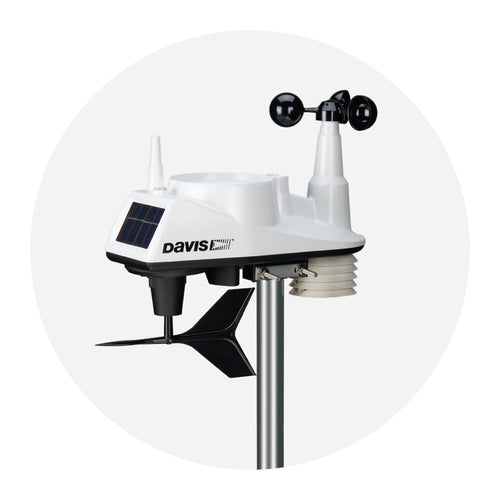
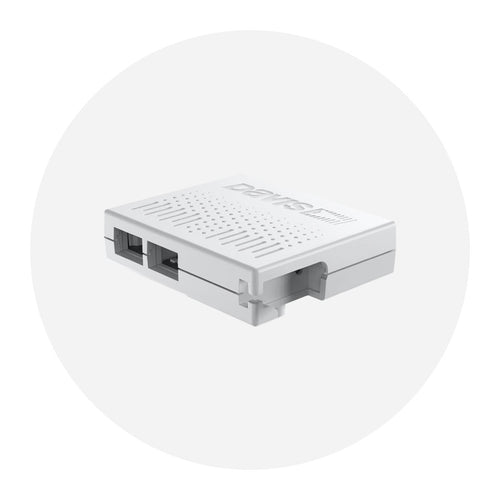
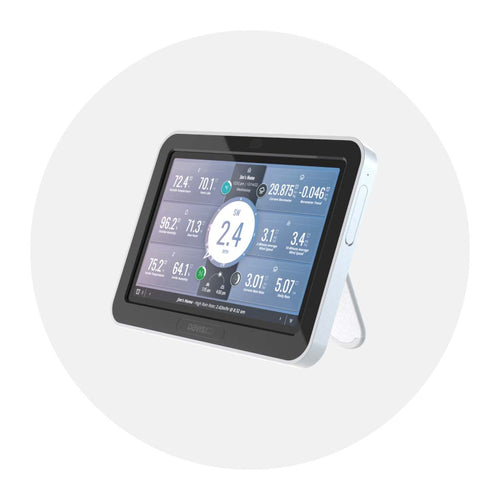
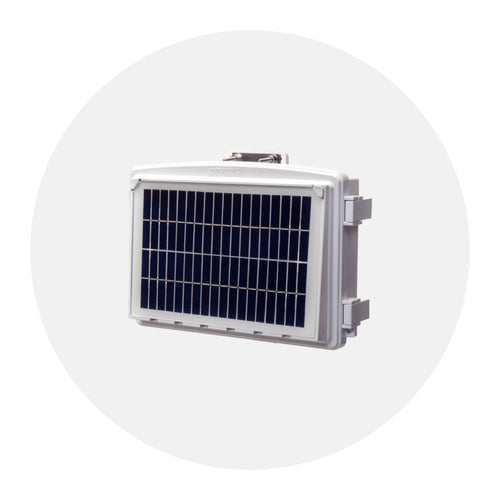
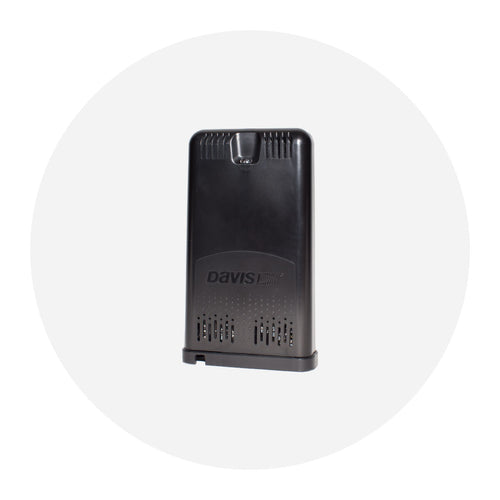
Among Davis solutions, two stand-out options make it especially easy to keep an eye on indoor moisture:
Key benefits of choosing Davis Instruments for humidity tracking include:
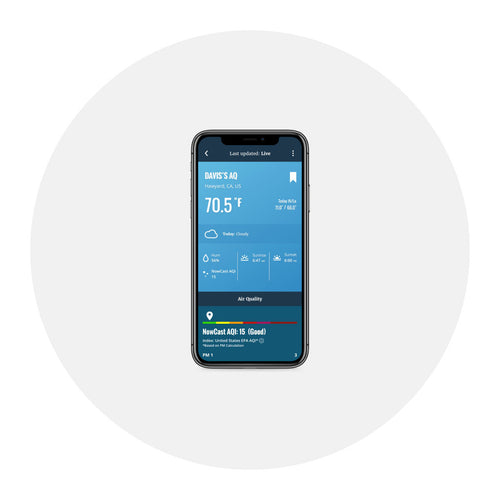
If you are getting started or upgrading your setup, consider using AirLink in the main living area or bedroom for app-based monitoring, and add a Davis Temperature/Humidity Sensor in moisture-prone zones such as basements or storage spaces. Whether you prefer a stand-alone display or an app-enabled solution, Davis delivers tracking humidity levels: essential equipment at home that is straightforward to use and built to last.
Indoor humidity outside the 30% to 50% range can aggravate respiratory concerns and influence how allergens and some viruses behave. High RH supports dust mites and mold, which may trigger allergies and asthma. Low RH dries out nasal passages and skin, increasing irritation and discomfort. Balanced humidity reduces these risks and supports better sleep.
For most homes, a daily check is sufficient, particularly during transitional seasons. If your device includes alerts or logging, set thresholds to notify you when RH goes out of range. In spaces with known issues, such as basements or nurseries, a morning and evening check helps catch trends. After heavy rain or during extreme weather, review readings more frequently.
Aim for 30% to 50% RH for general comfort and health. In winter, 30% to 40% limits condensation and static. In summer, 40% to 50% feels comfortable and helps inhibit mold. Specialized spaces may require tighter control—instrument rooms often perform best near the mid‑40s, while storage areas should follow specific manufacturer recommendations.
Consider a dehumidifier if you see window condensation, smell musty odors, notice visible mold, or see sustained readings above 60% RH. A humidifier may be needed if you experience frequent static, dry skin or throat, cracking wood, or readings below 30% RH. Use a hygrometer to confirm conditions and track how equipment changes your environment.
Place meters at breathing height, away from direct sunlight, heat sources, exterior walls, and drafts. Avoid locating them directly above humidifiers or dehumidifiers. In bedrooms, use a nightstand or dresser; in living rooms, a shelf away from windows; and in basements, midway between floor and ceiling, away from sump pits and exterior doors. In bathrooms and kitchens, logging models help verify that ventilation returns RH to normal after use.
Each room has different moisture sources, ventilation, insulation, and temperature. Kitchens and bathrooms spike during use. Basements can remain humid due to soil contact and cooler temperatures. Bedrooms and living spaces often stay within range if HVAC and ventilation are balanced. Using multiple sensors helps identify and address problem zones.
Quality digital hygrometers typically provide ±2% to ±3% RH accuracy within common indoor ranges. Sensors can drift over time. If your device supports calibration, verify accuracy every six months with a salt test or by comparing two or three meters side by side. If discrepancies persist, recalibrate if possible or replace the device.
Check placement to avoid drafts, vents, windows, or heat sources. Replace batteries and allow the meter to acclimate for 30 minutes. Compare with a second device. If both show jumps during activities like cooking or showering, the change is likely real—use ventilation or adjust equipment settings and see how quickly readings stabilize. If readings remain erratic without a clear cause, relocate the device or replace it.
A reliable digital hygrometer covers most day-to-day needs. Smart sensors are helpful if you want remote alerts, trend analysis, or integration with thermostats and ventilation equipment. They are especially useful for basements, crawl spaces, vacation homes, or for protecting sensitive items. Choose based on your preference for hands-on control versus automation.
Yes. Houseplants release moisture through transpiration, and aquariums add moisture through evaporation. In rooms with many plants or large tanks, expect slightly higher RH. Place your meter a few feet away from these sources for a more representative reading of the room.
Outdoor temperature and dew point affect how much moisture infiltrates your home. In winter, cold, dry air entering through leaks is warmed by your heating system, lowering indoor RH. In summer, warm, humid air entering can raise indoor RH. Good air sealing, controlled ventilation, and HVAC strategies moderate these effects, but hygrometers help you respond promptly as conditions change.
Condensation occurs when moist indoor air touches a surface that is below its dew point. High indoor RH increases the likelihood, but poor window insulation and air leaks can cause condensation even at moderate RH. If windows fog in winter, reduce your RH target slightly and improve air sealing and insulation around frames to raise interior surface temperatures.
Digital units need fresh batteries and occasional calibration checks. Keep sensors clean and free of dust, and avoid spraying cleaners or fragrances near them. For smart sensors, update firmware and verify connectivity. Store unused devices at room temperature in a dry location. Proper care extends accuracy and lifespan.
Keeping RH within target ranges allows you to avoid overcooling in summer and overheating in winter. In humid weather, running a dehumidifier may let you raise the thermostat while maintaining comfort. In dry weather, proper humidification can make your home feel warmer at a lower set point. Use logged data to identify when natural ventilation is effective and reduce unnecessary fan run times.
Many hygrometers include temperature sensors since RH depends on temperature. Combined devices help you interpret conditions more accurately. If your thermostat measures temperature but not RH, adding a hygrometer provides crucial information, especially in rooms that differ significantly from the thermostat’s location.