









How Do I Monitor Temperature and Humidity at Home?
by Doug Analla
by Doug Analla
Monitoring temperature and humidity at home boosts comfort, protects your belongings, and helps your heating and cooling system run efficiently. If you have ever asked “how do I monitor temperature and humidity at home,” the answer starts with choosing reliable tools, learning where to place them, and knowing which devices work with your phone. Whether you are preventing mold, easing dry winter air, or keeping a nursery or workshop at the right conditions, the right tools and a few smart habits make home monitoring simple and reliable. As you measure indoor humidity and temperature over time, you will quickly learn what the humidity should be in your house for each season and space and how to keep a healthy home humidity range.
Humidity shapes how warm or cool you feel and has a direct impact on health. High humidity traps heat, encourages mold, and can aggravate allergies and asthma. Low humidity dries out skin and nasal passages, increases static electricity, and can worsen respiratory symptoms. Most homes feel comfortable between 30% and 50% relative humidity (RH), a practical range for a healthy humidity level in home and a stable house humidity level that protects furnishings and finishes.
Temperature influences both comfort and indoor air quality. Warmer air can increase off-gassing from furniture and building materials, while cooler air reduces perceived odors but may feel drafty if unbalanced. Because warmer air holds more moisture, temperature swings can drive changes in home humidity and cause condensation on windows and walls. Understanding the connection between temperature and in home humidity helps you dial in comfort and protect materials like wood floors and musical instruments while maintaining the right humidity level in home throughout the year.
Home monitors measure temperature in degrees Fahrenheit and humidity as relative humidity (RH) in percent. Popular options to measure indoor humidity and temperature include standalone hygrometers, indoor weather stations, smart sensors with app connectivity, and multi-room systems with wireless probes for basements, attics, and nurseries. If you are exploring “how do I monitor temperature and humidity at home” across multiple rooms, consider a system that lets you view and compare trends so you can keep a consistent house humidity level.
Analog devices use mechanical elements (such as hair or coil-based hygrometers) and dial thermometers. They require no power but can drift over time. Digital devices use electronic sensors for higher accuracy and easier reading, often adding min/max memory, alarms, data logging, and smartphone alerts. For most households, digital monitors provide the best balance of precision and convenience when you want to measure indoor humidity and track what should the humidity be in my house day and night.
Placement and setup are crucial for accurate readings. Position sensors at eye level away from direct sunlight, heat sources, exterior doors, or vents. Allow several hours for the device to acclimate to its location. Use multiple sensors to track key areas: main living spaces, bedrooms, kitchens, and moisture-prone spots like bathrooms and basements, where in home humidity can change quickly.
Most phones do not have built-in humidity sensors, so they cannot directly measure indoor humidity on their own. However, your phone can check humidity in your house when it is paired with compatible devices:
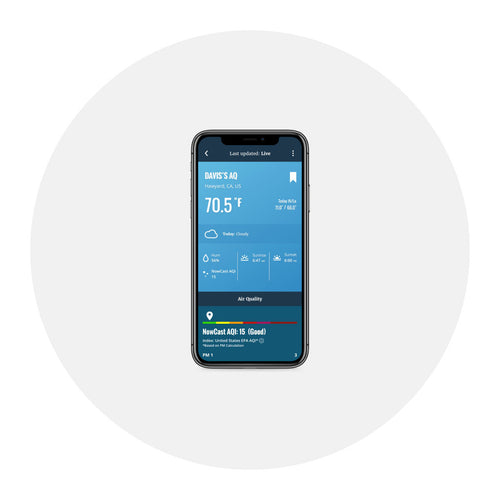
Once a device is set up, you can open the app to see real-time home humidity, review history, and often receive alerts if conditions move outside your preferred range, whether you are at home or away. This makes it easier to keep
Several types of devices can help you monitor temperature and humidity and manage in home humidity:
Choose based on how many rooms you want to track, whether you need remote access on your phone, and if you want extra features like air quality data to fine-tune what should the humidity be in my house in different seasons.
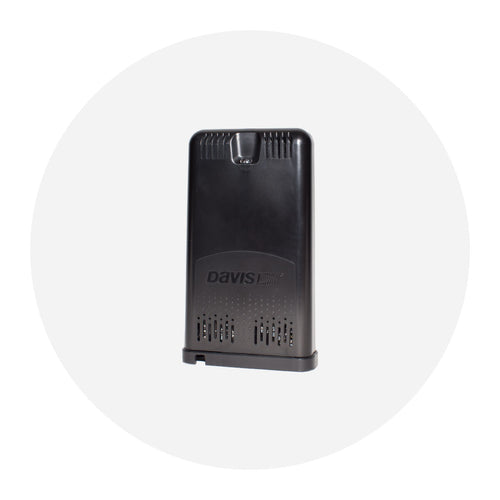
the humidity level in home within your target range.Davis Instruments AirLink is an indoor air monitoring solution that brings temperature, humidity, and air quality data together in one system. AirLink measures fine particulates (PM1, PM2.5, PM10) and reports real-time Air Quality Index (AQI), while also tracking temperature and RH for a complete picture of indoor conditions. It is a practical answer to “how do I monitor temperature and humidity at home” with accuracy and ease, helping you maintain a stable house humidity level.
| Feature | Benefit |
|---|---|
| Real-time PM and AQI | See particulate levels from cooking, cleaning, or outdoor smoke and act quickly with ventilation or filtration. |
| Temperature and Humidity | Track RH and temperature together to help prevent mold, protect valuables, and fine-tune HVAC settings while keeping the humidity level in home within your target range. |
| App Connectivity | View live data, historical trends, and receive alerts on your phone or computer from anywhere. |
| Smart Insights | Correlate humidity spikes with particulate events, helping you optimize ventilation and dehumidification and better understand what should the humidity be in my house during different activities. |
| Flexible Placement | Compact design for living rooms, bedrooms, nurseries, workshops, and home offices. |
Pair AirLink with Davis weather stations or additional indoor sensors to monitor multiple rooms and semi-enclosed spaces. With accurate readings, intuitive apps, and reliable alerts, AirLink gives you the data you need to measure indoor humidity, manage temperature, and maintain comfortable, healthy in home humidity conditions year-round.